Top Skills to Get Entry-Level Warehouse Jobs in Canada
If you're looking to start working in a warehouse or factory in Mississauga, Brampton, or anywhere in the GTA, you're not alone — and that’s a good thing.
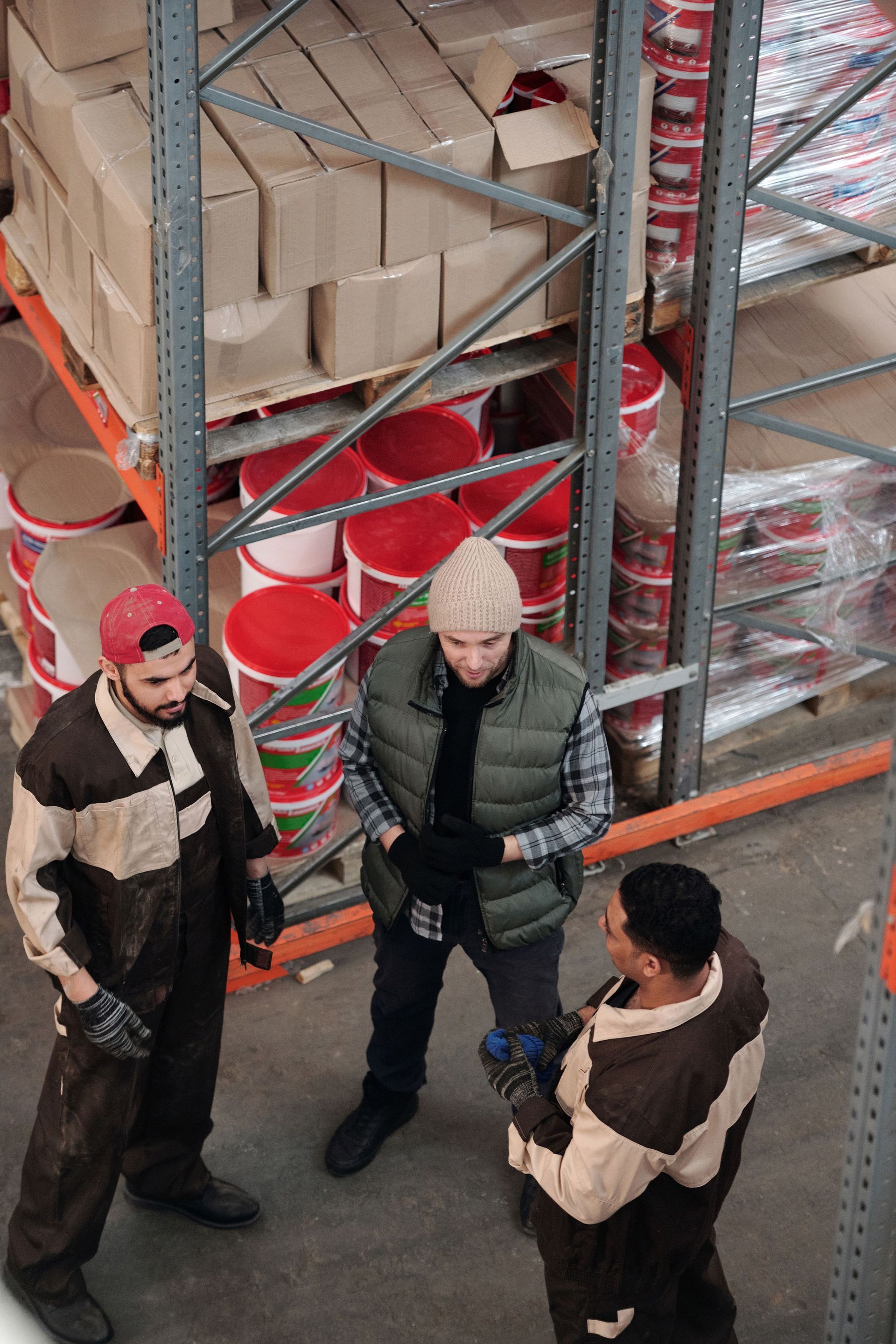
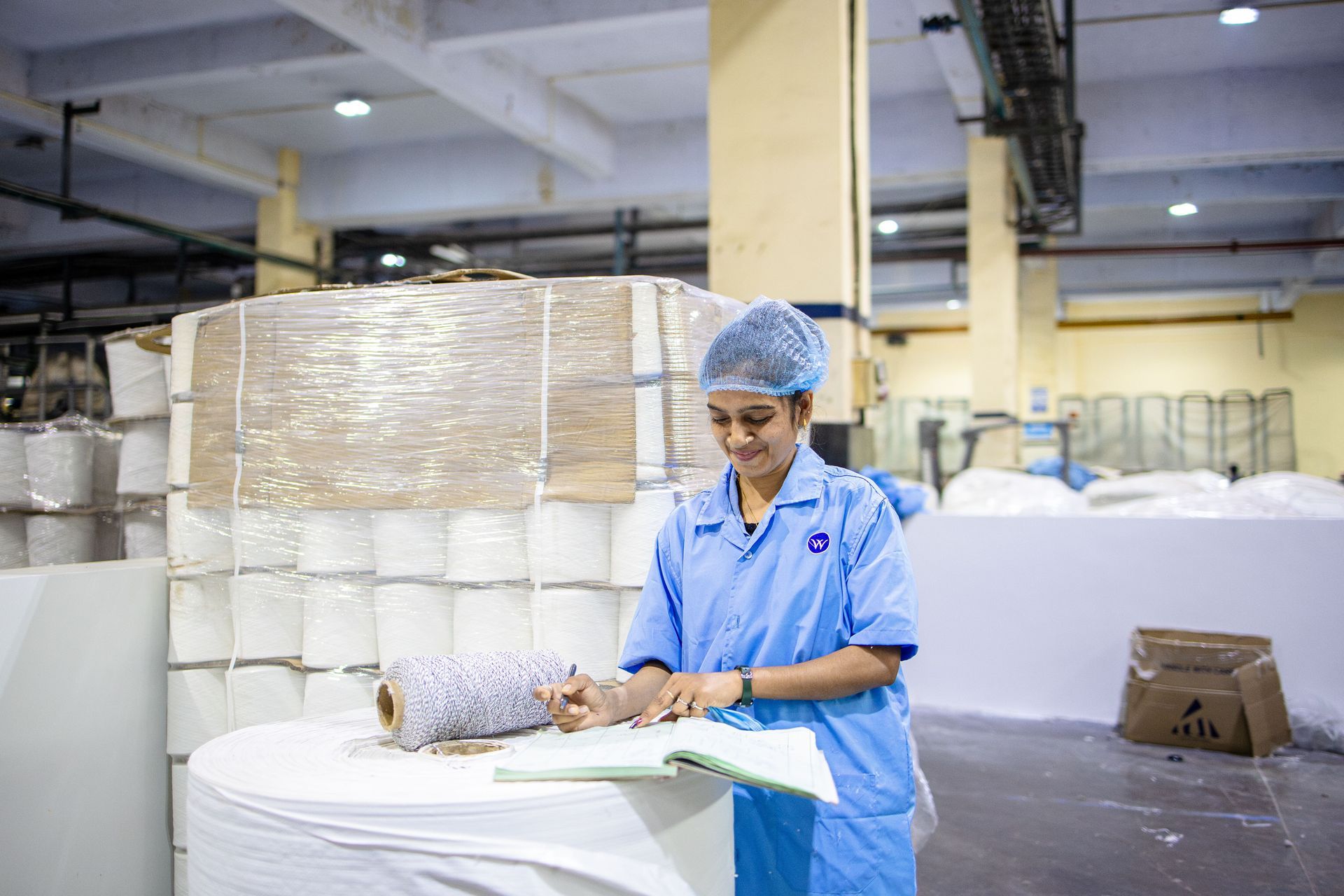
The demand for general labour in warehouses and manufacturing facilities across the Greater Toronto Area keeps growing. From food packaging plants in Brampton to distribution centres in Mississauga, there are hundreds of entry-level jobs available. The best part? Most of these positions don’t require a diploma, degree, or prior experience — just the right attitude and some basic skills.
So, whether you're new to Canada, just starting out in the workforce, or switching careers, here are the top skills that can help you land entry-level warehouse jobs and stand out once you're hired.
1. Physical strength and stamina
Let’s be honest — warehouse work is physical. You'll probably be:
- Lifting boxes (sometimes up to 50 lbs)
- Standing for long periods on concrete floors
- Loading and unloading trucks
- Moving inventory around using carts or pallet jacks
In places like Brampton’s big food warehouses or Mississauga’s Amazon fulfillment centres, staying on your feet and moving all day is part of the job. If you’re someone who enjoys staying active, you’re already a good fit.
Pro tip: Start getting used to physical work before applying — go for walks, stretch, or do light home workouts to build your stamina and prevent injury on the job.
2. Basic English communication
You don’t need to be fluent in English, but being able to understand and follow simple instructions in English (or French, in some cases) is important. You might be asked to:
- Read packing slips or labels
- Follow verbal safety instructions
- Fill out basic forms
- Report problems to your supervisor
For example, if you’re working the night shift at a warehouse in Etobicoke and your manager asks you to “wrap pallet number 12 and move it to the outbound dock,” you need to know what that means.
Pro tip: If English isn’t your first language, check out free ESL classes offered at community centers in Brampton and Mississauga. Improving your workplace vocabulary can make you more confident and job-ready.
3. Teamwork and cooperation
Warehouses are like machines — every person is a part that helps things run smoothly. That means being able to:
- Work in a team to meet daily goals
- Help coworkers when needed
- Stay calm and respectful, even under pressure
For instance, in a busy shipping warehouse in Brampton, if one area falls behind, it can delay the whole operation. Managers love workers who are easy to work with and who keep a positive attitude, even during busy seasons like Black Friday or Christmas.
Pro tip: Being a team player doesn’t mean being the loudest. Just being dependable, friendly, and ready to help when needed makes a big impression on supervisors and coworkers.
4. Attention to detail
Even though the work may seem repetitive, paying attention to the small things can make a big difference. Whether you're:
- Picking and packing orders for a clothing brand
- Counting parts at an auto parts facility in Brampton
- Checking for damage on returned items
- Employers want workers who can spot mistakes and help prevent errors.
Pro tip: Don’t rush to finish tasks too fast — take a second to double-check your work. It shows that you care about doing things right, and that builds trust with your manager.
5. Time management and punctuality
In the warehouse world, being on time really matters. Shifts often start early in the morning (like 6:00 a.m.) or late at night. If you're late, you might delay the entire team.
Employers also look for people who can:
- Work independently without constant supervision
- Stay on task
- Meet hourly targets (like packing 60 boxes per hour)
Pro tip: Use apps like Google Maps or Waze to plan your commute ahead of time — and always leave 15 minutes earlier than you think you need to. Being consistently on time makes you stand out fast.
6. Safety awareness
Warehouses have strict safety rules for a reason — there's heavy machinery, slippery floors, and lots of moving parts. You’ll be expected to:
- Wear personal protective equipment (PPE) like steel-toed boots, gloves, or reflective vests
- Follow rules around lifting and moving items
- Report unsafe conditions or spills
Most employers offer basic safety training, and some jobs require WHMIS (Workplace Hazardous Materials Information System) training — which is often free or provided by the company.
Pro tip: Get WHMIS-certified online before applying — it’s free or cheap and shows employers you’re serious about safety.
7. Basic math and counting
You don’t need to be a math whiz, but you should be comfortable with:
- Counting inventory
- Doing basic addition/subtraction
- Measuring items (height, weight, length)
Example: In a Mississauga electronics warehouse, you might be asked to pack 25 units into a box and make sure the total weight doesn’t exceed 20 kg. Simple, but important.
Pro tip: Practice basic math and units of measurement — even 10 minutes a day using free apps like Khan Academy or YouTube tutorials can help you feel more confident.
8. Adaptability and willingness to learn
Every warehouse is different. Some use high-tech scanners, others still use paper sheets. The best workers are the ones who:
- Learn quickly (even if it’s something new)
- Adapt to changes (like new procedures or shift times)
- Stay open to trying different roles (packing, picking, machine operator helper, etc.)
In a GTA warehouse, you might start as a general labourer, but if you show that you’re flexible and reliable, you could be trained to use a forklift or even become a shift lead.
Pro tip: Say “yes” when asked to try something new — the more roles you can fill, the more valuable you become to your team and your employer.
9. Strong work ethic and reliability
This one is simple but powerful: show up, work hard, and don’t complain unnecessarily. Employers want workers who:
- Show up every day
- Don’t leave early or skip shifts without notice
- Take initiative and stay busy during slow periods
Whether you're working in a bakery factory in North York or a distribution warehouse in Brampton, your attitude is everything. Reliability builds trust — and trust leads to more hours, better shifts, and even permanent job offers.
Pro tip: Don’t just do the bare minimum — if you finish a task early, ask what else needs to be done. Managers always notice the workers who go the extra step.
10. Bonus: Basic equipment handling (optional but helpful)
Even if you’re applying for a basic job, having some experience with:
- Pallet jacks (manual or electric)
- RF scanners
- Shrink wrap machines
can give you a big advantage. And if you have (or are willing to get) a forklift license, even better — many companies in Mississauga and Brampton will bump up your pay if you're certified.
Pro tip: You can often get forklift training at a discount through job agencies or local employment centers. Some companies will even cover the cost if you’re a good worker.
Your entry-level warehouse job is waiting!
If you're ready to work and bring the right attitude, you already have what it takes to land an entry-level warehouse job in the GTA.
- No need for fancy resumes
No need for years of experience
Just show up, be willing to learn, and put in the effort
There are job agencies across Mississauga and Brampton hiring for warehouse roles every day — and once you're in, there are lots of opportunities to grow.
Want to boost your chances even more?
- Take a free WHMIS course online
- Get your forklift training (some places even reimburse the cost!)
- Practice your English
- Or get in touch with Noble Human Resources Solutions for job search help
Simply fill out the Job Seeker Form and tell us about yourself. We’ll match you with an entry-level warehouse job that meets your needs.
Share this article